
The World Is Their Classroom
Children are naturally curious about the people around them. They notice differences in the way people look, speak, eat, and celebrate, and they ask questions about it all. That curiosity is a gift, and when we nurture it, something wonderful happens. Children don't just learn about different cultures, they develop empathy, respect, and a sense of belonging in the wider world. At Wonderschool, we incorporate the beautiful cultural diversity of Canberra into our classrooms and teach children about different ways of living and being. We believe that every child deserves to see themselves reflected and represented in their learning environment, and every child benefits from understanding the lives and experiences of others.
Why Cultural Learning Matters in the Early Years
The early years are when children form their understanding of identity, fairness, and community. Research tells us that children as young as two begin to notice differences between people, and by the time they reach preschool, they're already forming ideas about who supposedly belongs, and who doesn't. That's why it matters so much to introduce cultural learning early and in a way that feels natural. At Wonderschool, we provide a range of resources and experiences that provoke conversations and questions about inclusivity in relation to gender, religion, ability, sexual identity, and socioeconomics. We want children from a variety of backgrounds to be able to see themselves in our books and environments, so that every child feels valued and included from the very start.
Building Empathy, Language, and Social Skills
When children learn about different cultures, the developmental benefits go well beyond knowledge. Hearing stories from other parts of the world builds language skills and vocabulary. Cooking foods from different traditions develops fine motor skills and sensory awareness. Exploring different music, dance, and art forms encourages creativity and self-expression. And perhaps most importantly, learning about how other people live helps children develop empathy and emotional intelligence. At Wonderschool, our Educators help children to think about inclusivity and respect as part of everyday life, not just as a one-off lesson. Through project work, storytelling, and open-ended play, children explore different perspectives in ways that feel meaningful and age-appropriate.
Connecting to Country and Community
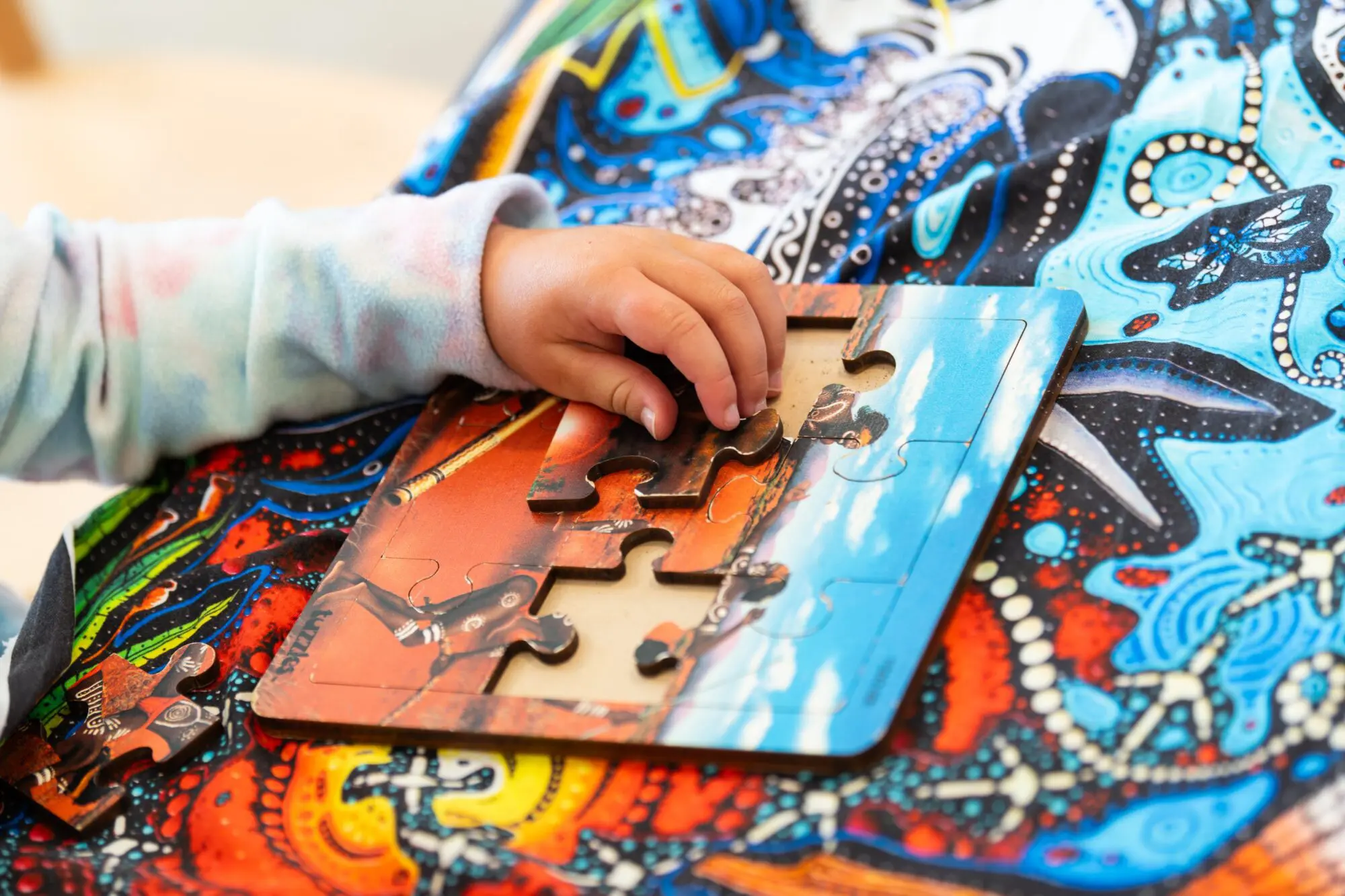
A key part of cultural learning at Wonderschool is helping children understand the role of Australia's First Peoples as custodians of the land on which we live. We take an active approach to sharing Aboriginal and Torres Strait Islander culture with our children and families, developed in consultation with local Elders. This isn't something we save for a single week of the year. It's woven into the everyday experience at our centres; from the resources we use to the stories we share and the respect we model. We also draw on the diversity of the Canberra community itself, welcoming families to share their own skills, traditions, and cultural experiences with the children. This creates a sense of connected community, one of Wonderschool's core values, where everyone has something to contribute.
Raising Children Who Are Ready for the World
At the heart of it, cultural learning helps children grow into confident, respectful, and open-minded people. It teaches them that there are many ways to live, celebrate, and connect, and that difference is something to be curious about rather than afraid of. At Wonderschool, we nurture children with wonder, integrity, respect, and empowerment, and cultural learning is a natural extension of those values. If you'd like to see how we bring cultural diversity to life in our centres, we'd love to show you around. Get in touch with our team to book a tour today.