
Our Preschool Approach
Our preschool approach
Confident and capable learners
At Wonderschool early learning centres, we believe children are confident and capable learners who are citizens from birth. Children should be co-collaborators of their own learning with our educators, and they should be given time to develop at their own pace.
Children at Wonderschool are encouraged to articulate their learning to peers and their community. We work from a base of respect for children, families, our colleagues and the land on which we work. We work collaboratively with children and their families and allow all involved in our learning community to have a voice and feel listened to.
Environments
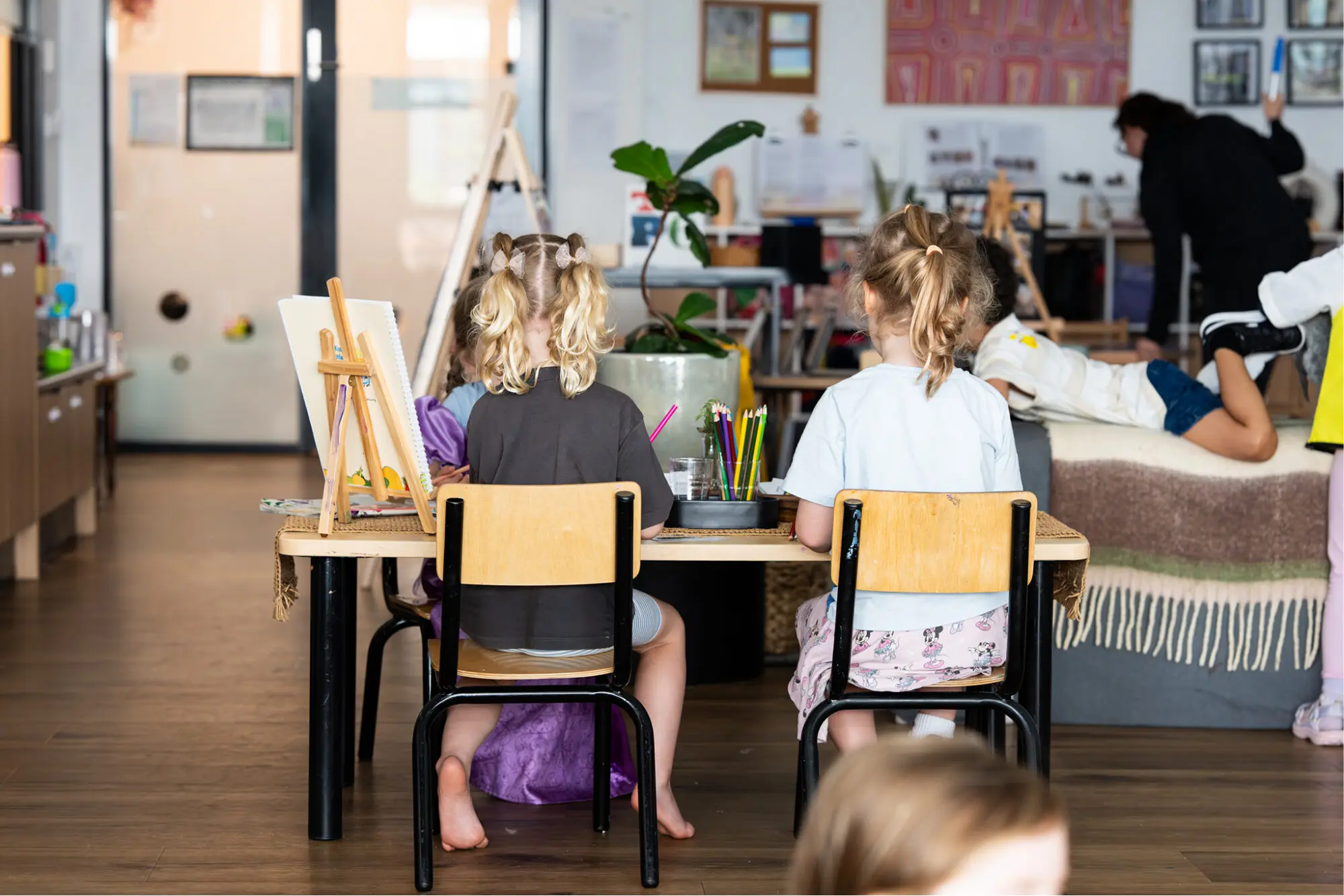
Our early learning centre environments are thoughtfully curated to be the "third teacher" and to encourage exploration, investigation and wonder. Our centres can be a workroom, a place of beauty and a centre of discovery.
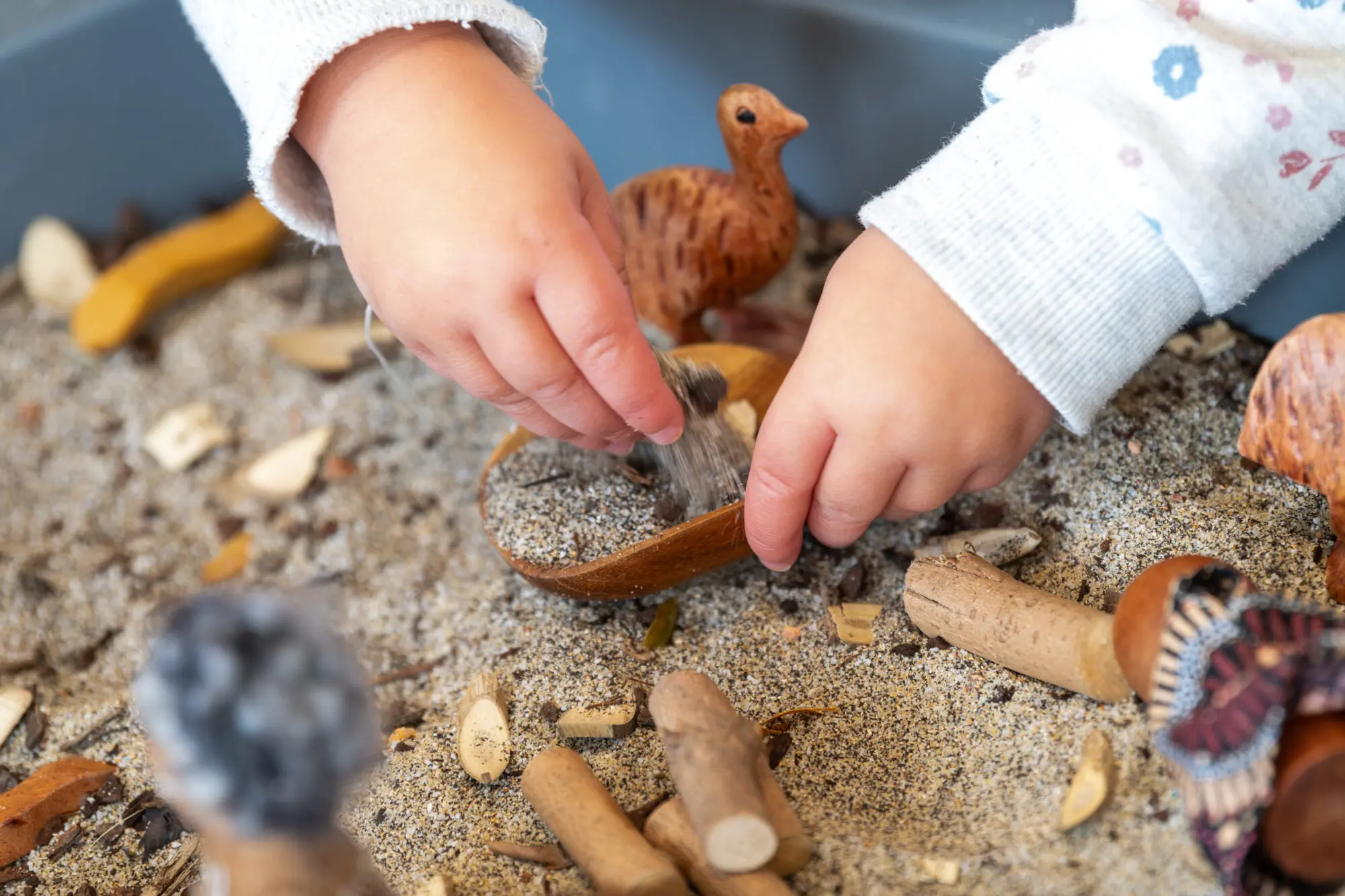
We use a variety of natural resources and loose parts in our classrooms to encourage creative and innovative thinking. Our educators help children to engage in short and long term projects which follow their interests. This is a way to explore a subject through different languages and to help children use a variety of skills in their self-motivated learning. It allows children to work together for a common goal and to be inclusive of different points of view from their peers.
Project work encourages children to negotiate and problem solve in a social environment which gives them practice at expressing their feelings and self-regulating.
Loose parts
We supply a range of loose parts for children to engage with during their play. This term comes from Simon Nicholson, who developed the theory of loose parts.
The theory is based on the idea that loose parts offer opportunities to be used in multiple ways. Imagine toys that can be used for constructing, designing, redesigning, multiple uses and engaging creative thinking, problem-solving and collaboration. The children are active in their use of loose parts and the use is an ever-changing concept.
More traditional toys offer limited opportunities and limited engagement from the child. By using loose parts we are asking the children to be the inventors of their play.
Inclusivity
We believe that quality early learning services need to be built around inclusivity and respect for others.
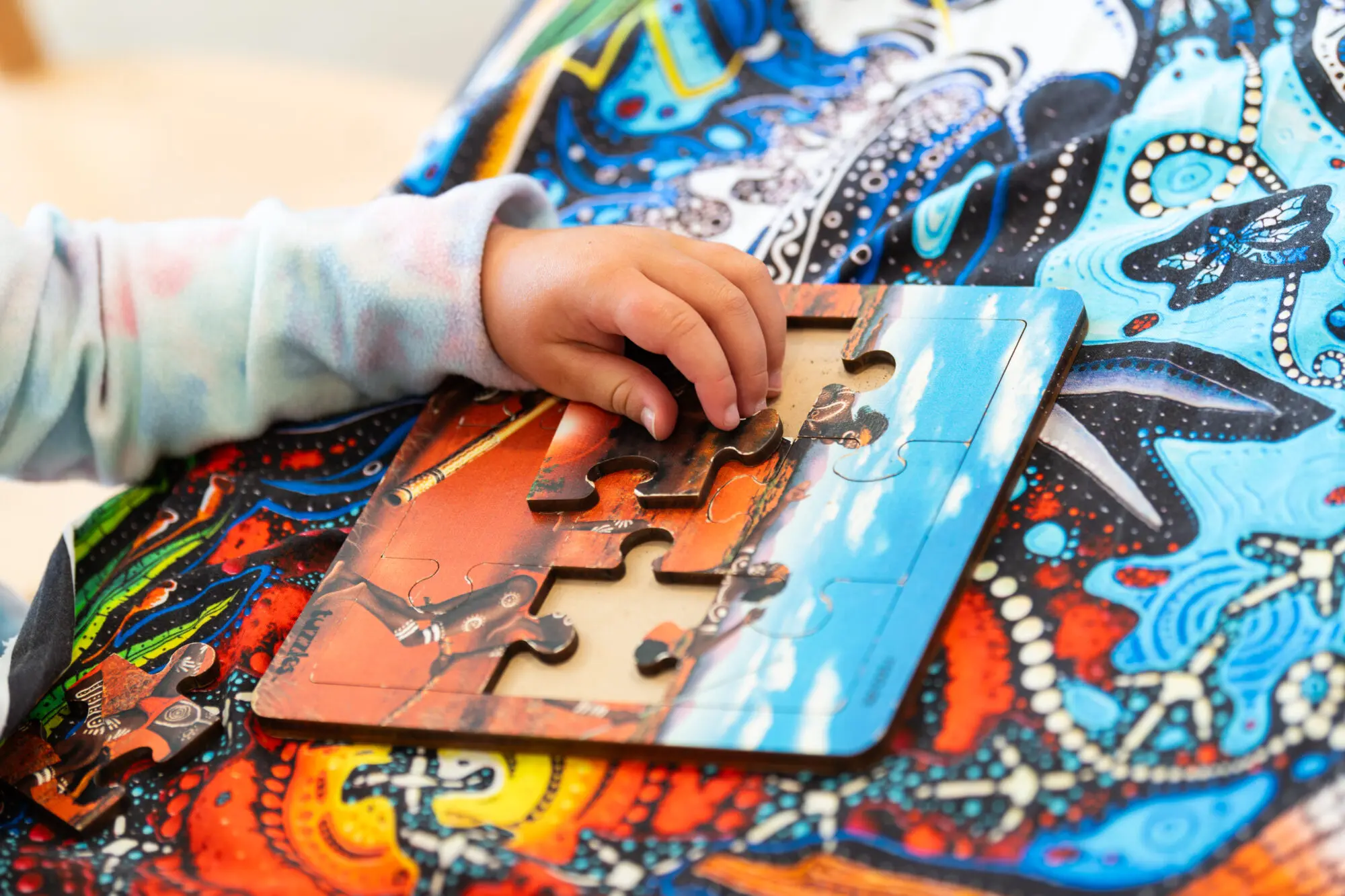
At Wonderschool, we incorporate the beautiful cultural diversity of Canberra in our classrooms and teach children about different ways of living and being around the world. We also want children from a variety of backgrounds to be able to see themselves in our books and environments.
We understand the importance of exposing children to Aboriginal and Torres Strait Islander culture and helping them to understand the role of Australia's first people as custodians of the land on which we live. We help children to think about inclusivity in relation to gender, religion, ability, sexual identity and socioeconomics. Our approach around this is to provide a range of resources and experiences to provoke conversations and questions.
Our programs
Where little minds come to life
We look forward to welcoming children aged 6 weeks to 5 years and their families seeking an exceptional learning environment with contemporary approaches to early childhood education. At Wonderschool, we nurture your children to discover, learn and play in purpose-built centres with light-filled rooms, large open classrooms and expansive outdoor play areas, waiting to be discovered by little hands and big minds.
Ages 0 - 1
Infants
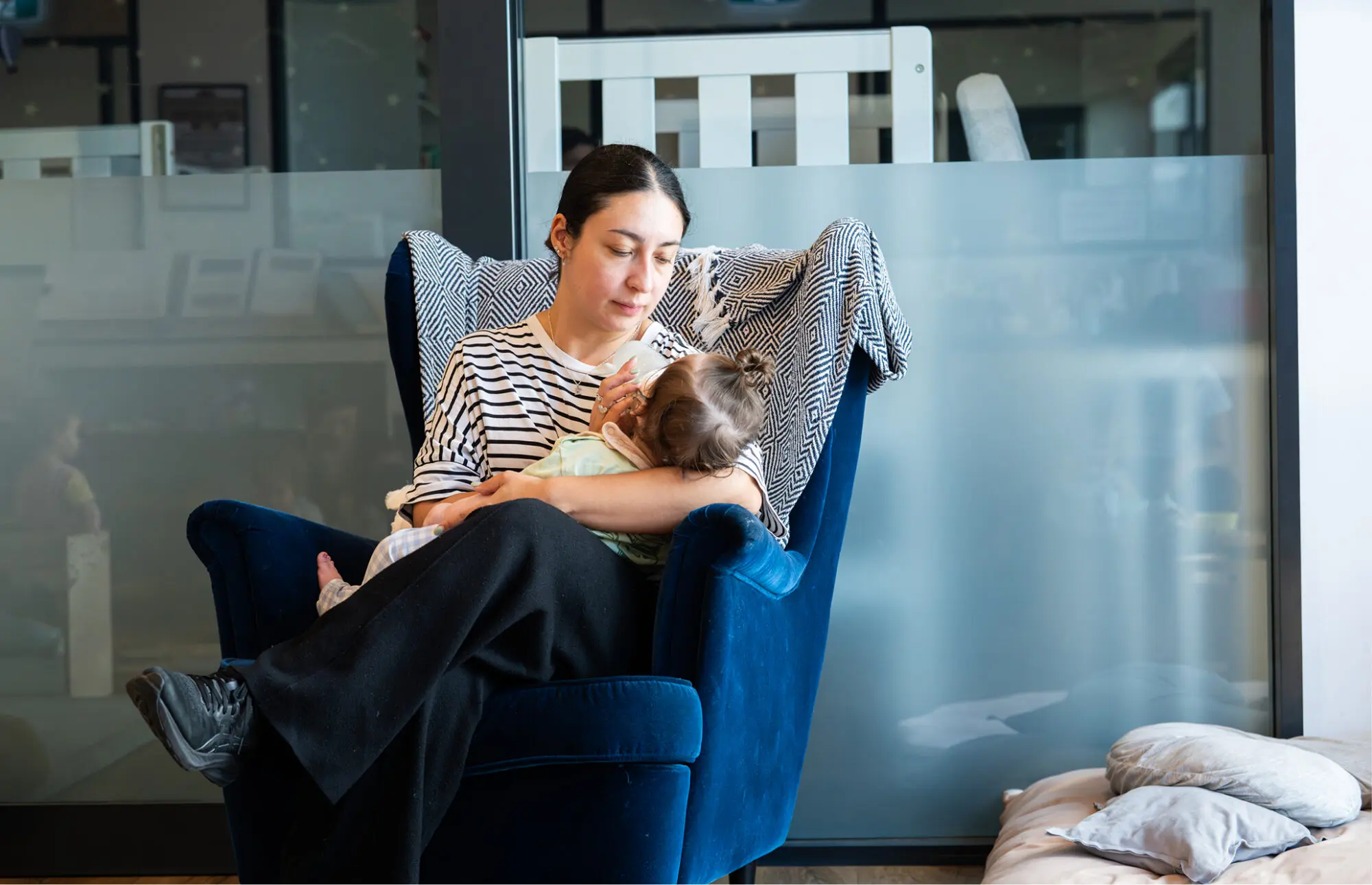
Wonderschool early learning centres are influenced by the work of Magda Gerber and RIE® (Resources for Infant Educarers), and the Pikler approach to infant care. This approach to childcare services focuses on the infant as a capable participant in their care and education, and is based on respectful relationships.
Ages 2 - 3
Toddlers
At Wonderschool, our approach to educating toddlers is focused on three main pillars: Thoughtfully curated environments that enable children to build their autonomy and to support their behaviours, interests, and needs. Building close relationships with Educators and their peers. Emotional guidance to support toddlers to develop emotional awareness and to manage their behaviours and connect with and understand their underlying feelings.