
Our Infant Approach
Our approach
Our infant approach
Wonderschool early learning centres are influenced by the work of Magda Gerber and RIE (Resources for Infant Educarers) and the Pikler approach to infant care. This approach focuses on the infant as a capable participant in their care and education, and is based on respectful relationships.
Seven guiding principles
We uphold the rights of children and keep respectful relationships as the foundation of our work. We use the following seven guiding principles to support this approach:
- Slow down.
- Build trust and your relationship during caring activity times.
- Work 'with' and not 'to'.
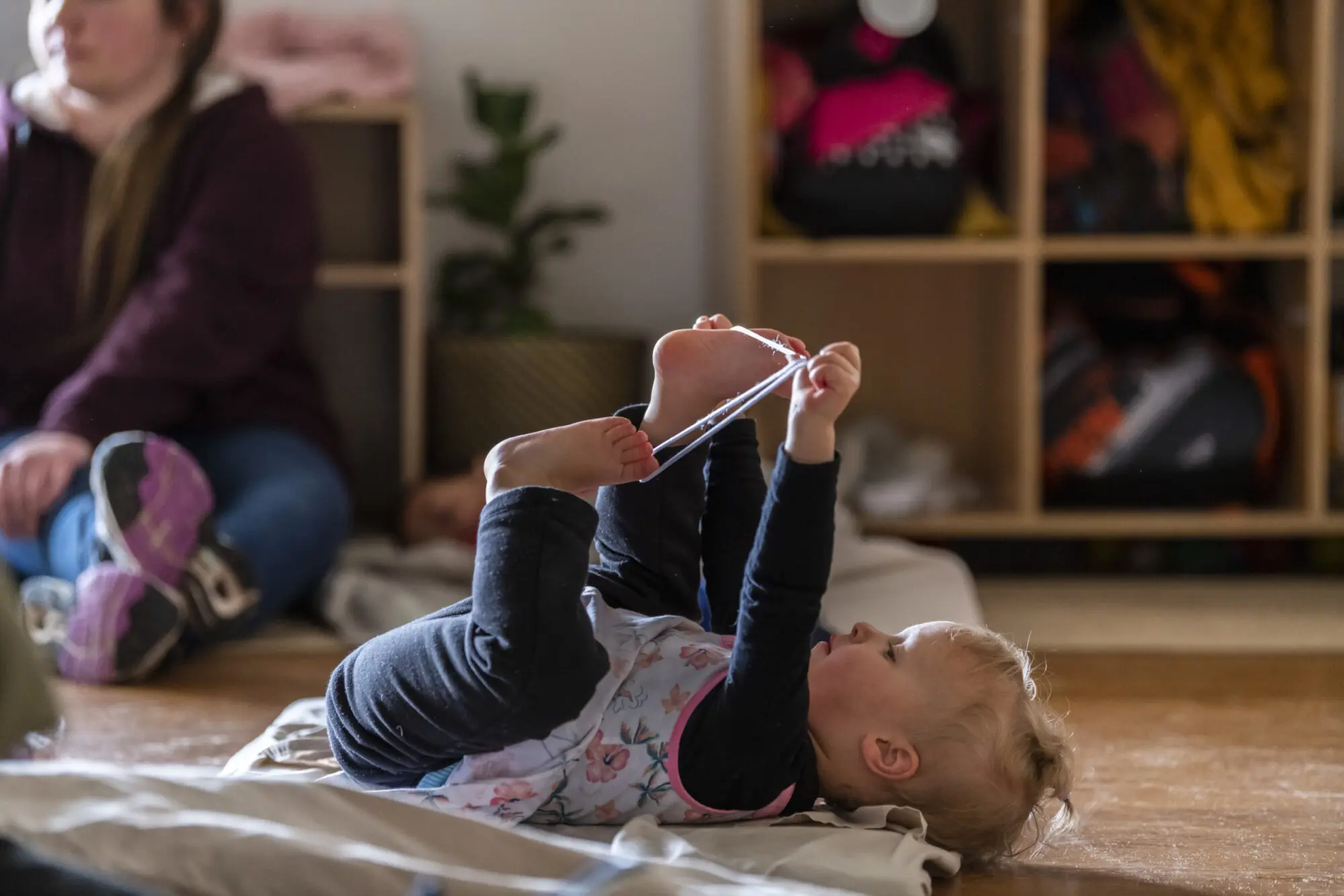
- Babies are never put into a position they cannot get into by themselves.
- Allow babies uninterrupted time for play.
- Babies send us cues all the time. Tune in respectfully.
- Offer full attention, especially when involved in caring activity times.
Source: Lisa McKimm
Respectful care moments
Care moments such as meal times, bottle feeding and nappy changes are viewed as important times of connection. These are intimate moments for infants as their physical needs are being met, and it is also a time to fill their cup emotionally and build secure attachments.
At Wonderschool, we slow down to connect with infants during these times and make them involved in the process. Nappy changes always start with educators asking infants if they are ready, as this helps children understand that their bodies belong to them. We then talk through the nappy change process with the infant as the educator changes them.
Bottle feeding is always one-on-one with an infant and their Key Educator. Bottle feeding is an unhurried time that allows for the building of a secure relationship.
Mealtimes are slow and deliberate and are used to teach infants about food and the social rituals we engage in at these times. Older infants are encouraged to feed themselves and are supported by an attentive educator. Meals are served in an attractive way and self-help skills and socialising are encouraged.
Safe and predictable environments
Environment
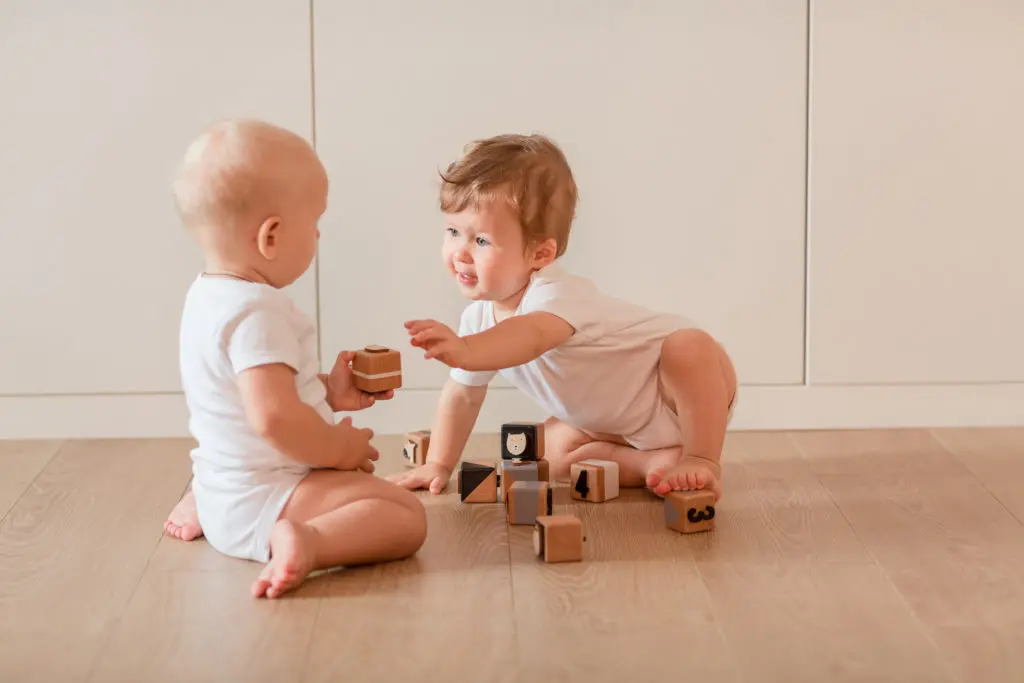
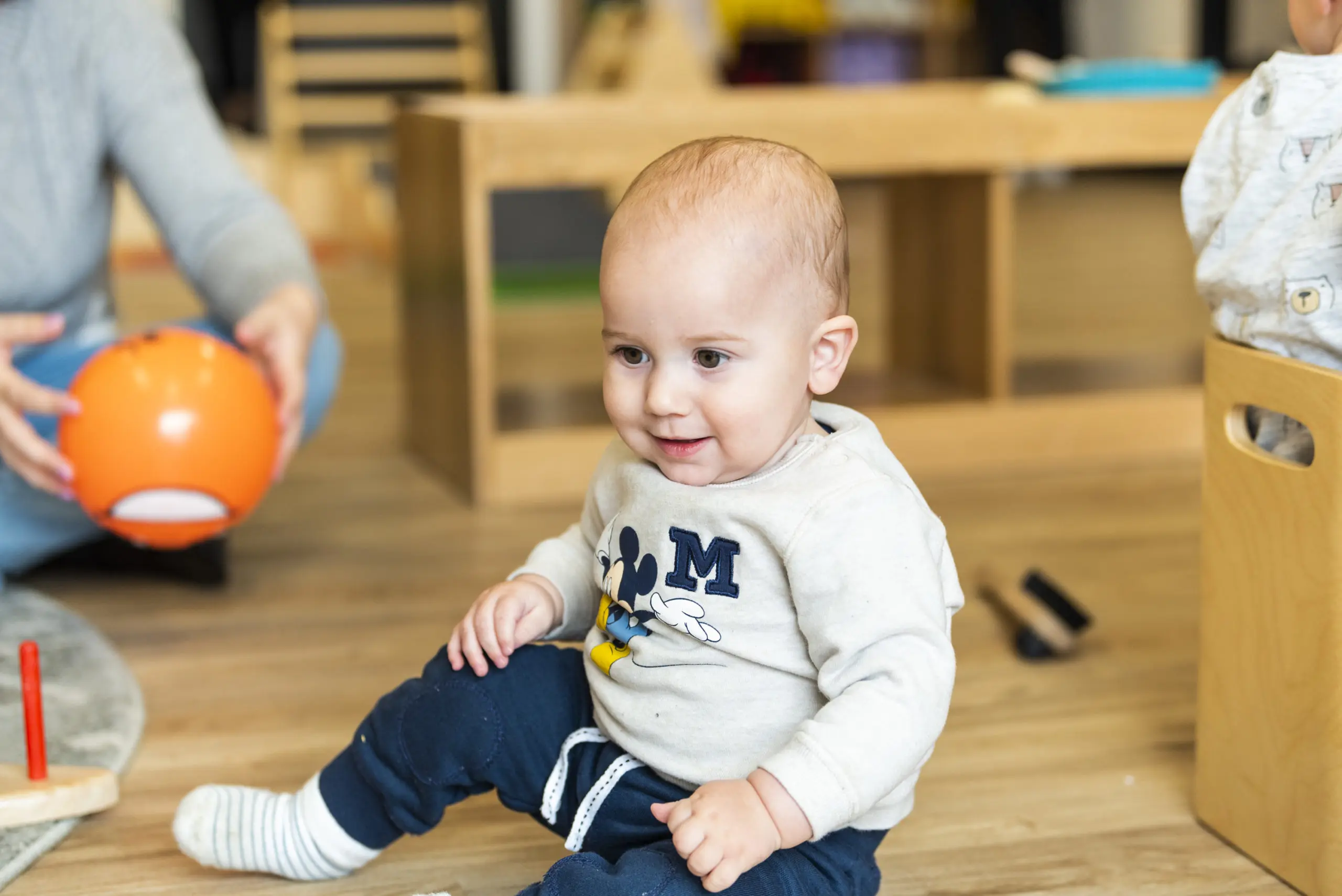
The spaces in our early learning centres are designed to be a safe, predictable environment for our youngest children. We provide gross motor challenges that are appropriate for the skills of the children in the room. The rooms have large amounts of open space for the children to have freedom of movement as they are developing their gross motor abilities.
"If we give children enough space and possibilities for free movement they will move as beautifully and gracefully as animals: nimbly, simply, confidently and naturally." — Dr Emmi Pikler
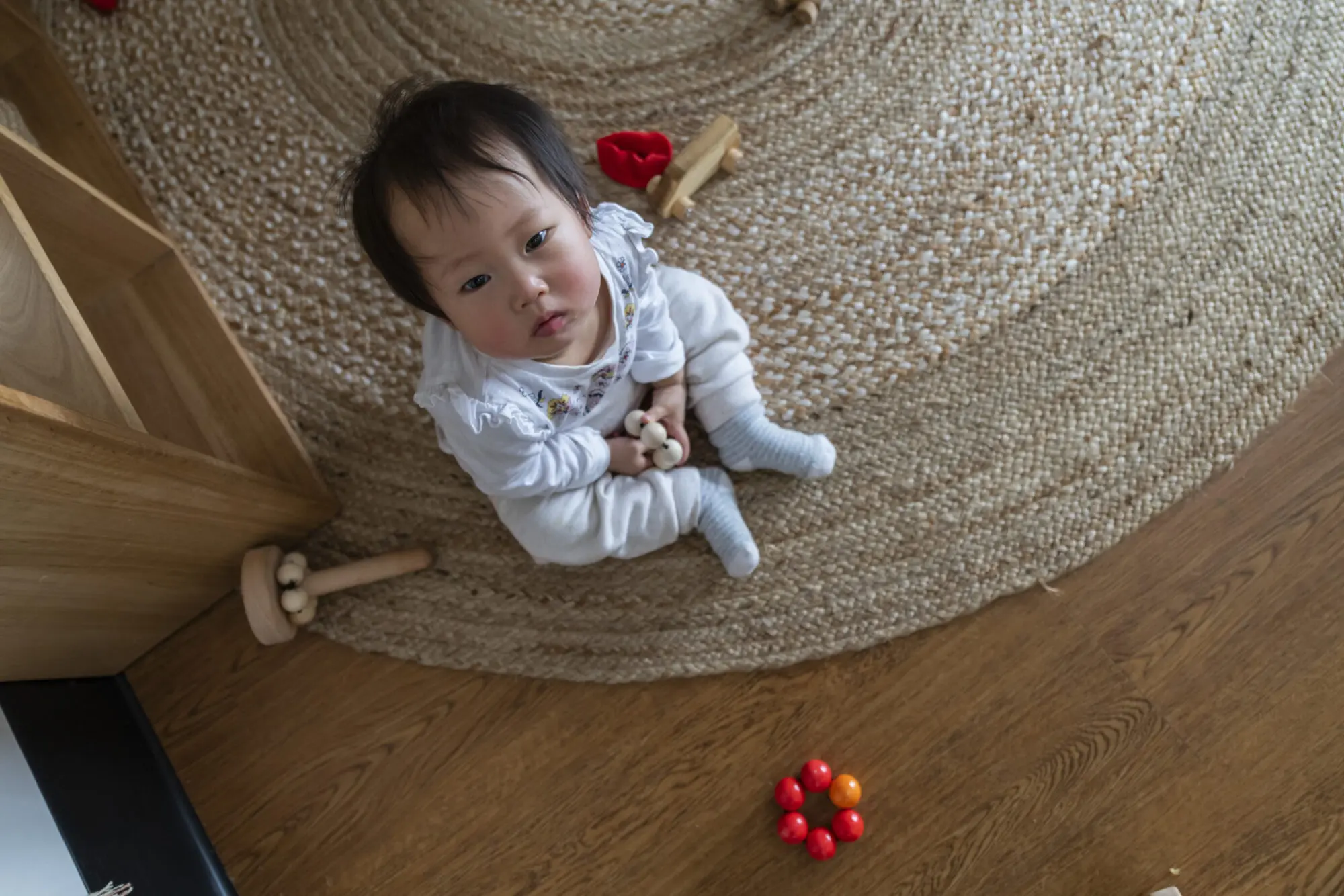
We ensure that there is a range of textures and spaces for the children to explore in the room at their own leisure. There are spaces for rest, relaxation, sensory play, dramatic play and wonder. The resources we offer children are often simple, everyday items that allow for exploration and can be used in a multitude of ways.
We are influenced by Nicholson's theory of loose parts play, which sees children using their creativity, problem-solving and curiosity to play with and explore a range of objects. The use of loose parts and open-ended resources encourages the children to be active in their engagement rather than passively entertained.
Social and emotional support
Wonderschool offers more than early learning. We acknowledge children at our centres as citizens of the world, not just of the local community, from birth. We endeavour to support infants' social and emotional development throughout each day. We do this by acknowledging children's emotions and supporting them through their feelings. We do not distract children; we instead help them to recognise emotions and begin the journey of self-regulation.
"Self-regulation refers to how well we manage stress, how much energy we expend and how well we recover." — Dr Stuart Shanker
We ensure that we are speaking to children about their feelings and naming emotions, "I can see you are really upset that Daddy has left. It is hard to say goodbye. I am going to support you."
Sleep and rest
At Wonderschool early learning centres, we work in collaboration with families to support our children with sleep and rest. We understand that different children have different sleep requirements and we follow children's sleep cues to provide them with the rest they need to develop.
We believe in establishing sleep rituals to help children to self-settle as our ultimate goal but understand that children sleep in many different ways in the home environment and are at different stages of achieving this. We will work gently with children and families to achieve the best possible sleep routine for each individual child.
Our programs
Where little minds come to life
We look forward to welcoming children aged 6 weeks to 5 years and their families seeking an exceptional learning environment with contemporary approaches to early childhood education. At Wonderschool, we nurture your children to discover, learn and play in purpose-built centres with light-filled rooms, large open classrooms, and expansive outdoor play areas, waiting to be discovered by little hands and big minds.
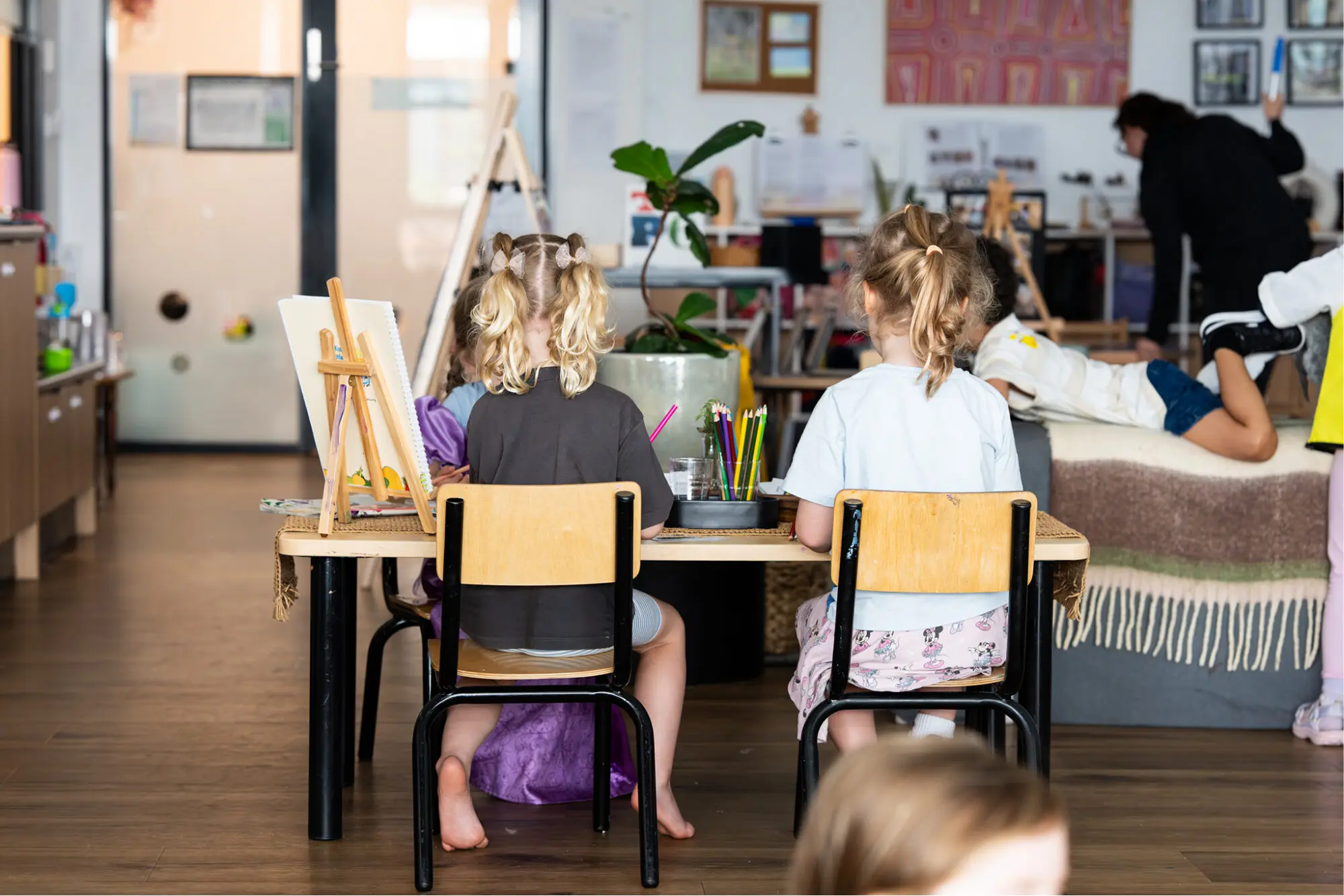
Ages 2 - 3
Toddlers
At Wonderschool, our approach to educating toddlers is focused on three main pillars: Thoughtfully curated environments that enable children to build their autonomy and to support their behaviours, interests, and needs. Building close relationships with Educators and their peers. Emotional guidance to support toddlers to develop emotional awareness and to manage their behaviours and connect with and understand their underlying feelings.
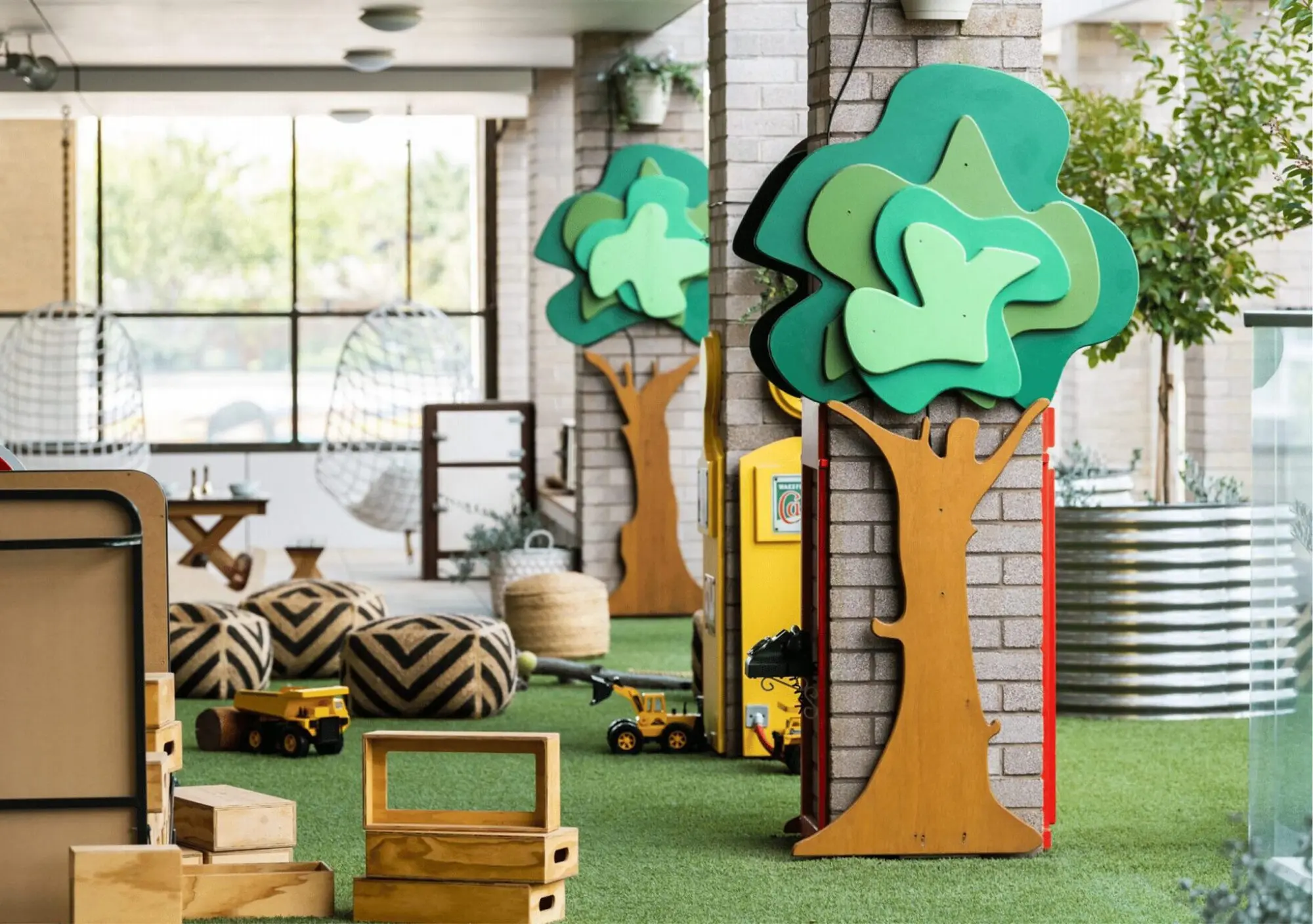
Ages 4 - 5
Preschool
At Wonderschool early learning centres, we believe children are confident and capable learners who are citizens from birth. Children should be co-collaborators of their own learning with our Educators, and they should be given time to develop at their own pace.